

Meta Description:
Breaking: Equities retreat sharply from record highs as Treasury yields surge amid fresh inflation concerns. New Fed Chair Kevin Warsh faces immediate test. Full analysis of Market Indices, oil prices, geopolitical tensions, and investor moves right now.
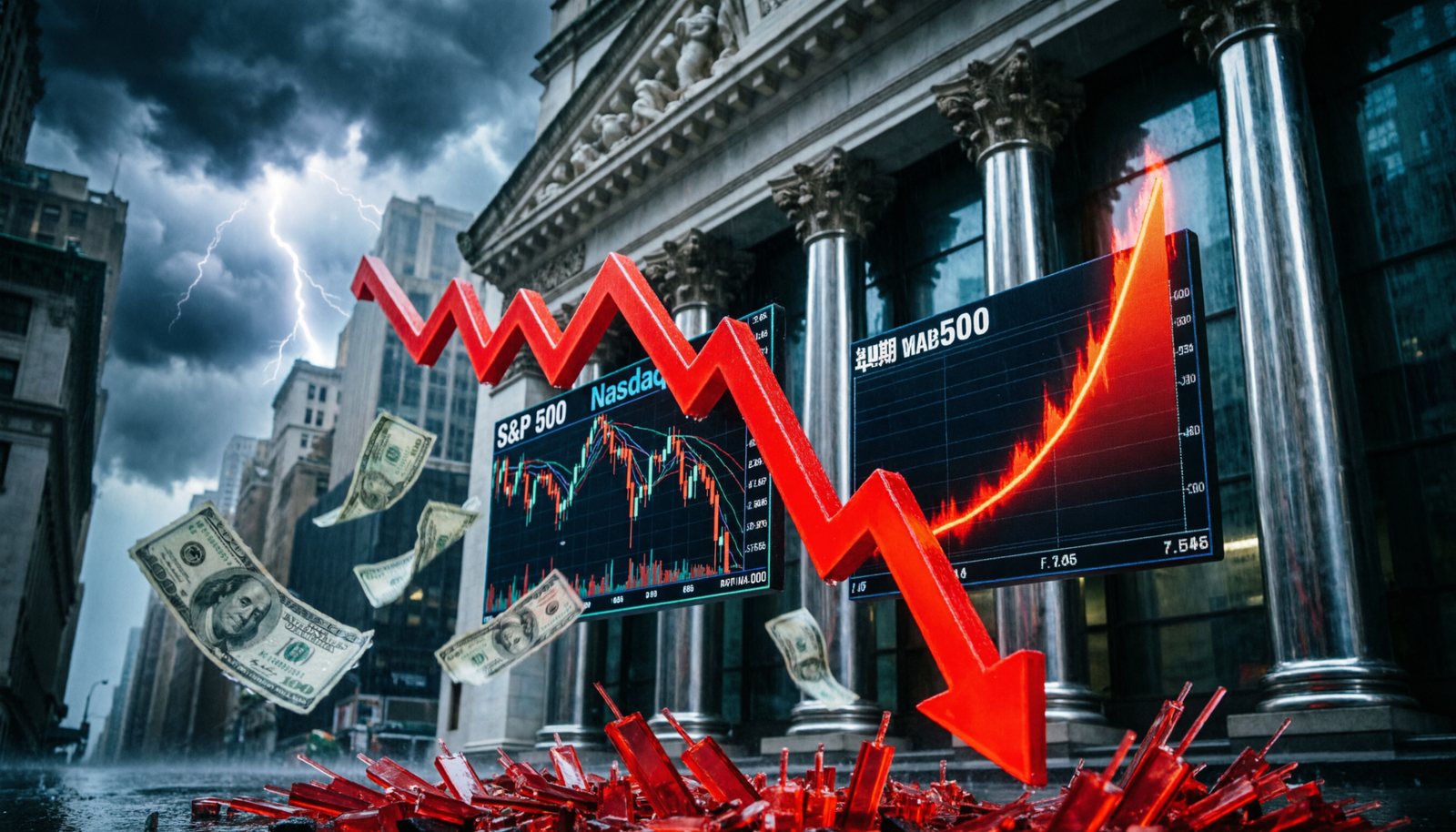
Just now, on Friday, May 15, 2026, Wall Street experienced a sharp pullback. Major market indices retreated from fresh record highs set only yesterday as Treasury yields climbed to their highest levels in nearly a year, reigniting deep inflation concerns and forcing investors to reassess the path ahead.
The Dow Jones dropped over 500 points, the S&P 500 fell more than 1%, and the Nasdaq suffered even steeper losses. This sudden shift comes as surging oil prices, persistent geopolitical risks, and shifting expectations for the Federal Reserve (Fed) under new leadership create a perfect storm of uncertainty. For everyday investors watching their portfolios, this moment feels both alarming and pivotal. Here’s a clear, timely breakdown of what’s driving the move and what it could mean going forward.
Why Treasury Yields Are Surging and Shaking Markets Today
Treasury yields spiked dramatically on Friday, with the benchmark 10-year note jumping to around 4.60%, its highest level in months. The 30-year yield pushed above 5.1%, marking its strongest reading in nearly a year.
When bond yields rise this quickly, it signals investors are demanding higher returns to compensate for elevated inflation risks and stronger economic growth expectations. Higher yields make borrowing more expensive across the economy—from mortgages to corporate loans—and reduce the present value of future earnings, hitting growth stocks particularly hard.
This surge isn’t happening in isolation. Fresh inflation data this week showed price pressures building again, largely fueled by oil prices climbing amid ongoing Middle East tensions. The result? A swift repricing of Federal Reserve (Fed) policy expectations. Markets now assign a significantly higher probability to interest rate hikes later this year rather than the cuts many had hoped for.
For investors who rode the recent AI-fueled rally to new peaks, today’s retreat feels like a sobering reminder that markets can turn quickly when valuation pressure meets rising rates.
Inflation Concerns Return with a Vengeance—Driving the Bond Selloff
Inflation concerns have roared back to center stage. Recent reports highlighted accelerating producer prices and sticky consumer costs, amplified by energy market volatility.
Oil prices surged on supply disruption fears tied to geopolitical tensions, pushing energy costs higher and feeding through to broader inflation measures. This dynamic creates a challenging environment: stronger growth in some sectors but renewed price pressures that erode purchasing power for families and businesses alike.
Investors are now pricing in a more hawkish Federal Reserve (Fed) stance. Fed funds futures reflect growing odds of a rate increase by December or early next year. This shift has sent shockwaves through safe-haven assets and risk assets alike, as the narrative moves from “soft landing with rate cuts” to “higher for longer—or possibly higher still.”
The emotional toll is real. Many retail investors who finally felt confident after months of gains are now questioning whether the rally was sustainable or built on overly optimistic assumptions about inflation and policy support.
New Fed Chair Kevin Warsh Faces His First Major Test
All eyes are now on Kevin Warsh, who officially stepped into the role of Federal Reserve (Fed) Chair this week. His arrival coincides with this volatile moment, adding another layer of uncertainty—and opportunity—to the market reaction.
Warsh, known for advocating disciplined monetary policy and a smaller Fed footprint, inherits an economy with resilient growth but stubborn inflation risks. Markets are watching closely to see how he balances these forces. Will he signal tolerance for slightly higher inflation to support growth, or take a firmer stance to anchor expectations?
Early reactions suggest investors are bracing for a more independent and potentially hawkish approach. His past comments emphasizing that “inflation is a choice” are being scrutinized anew. How Warsh communicates in the coming weeks could either calm Treasury yields or fuel further volatility.
This leadership transition adds human drama to the numbers. After Jerome Powell’s tenure, the market is recalibrating to a new voice at the helm during a period of heightened geopolitical tensions and fiscal pressures.
Market Indices Under Pressure: Tech Leads the Retreat
The retreat in market indices was broad but led by technology and growth sectors most sensitive to rising yields. The Nasdaq Composite fell around 1.5%, shedding gains from its recent record push. The S&P 500 dropped over 1%, and the Dow Jones Industrial Average lost more than 500 points, closing near 49,500.
These moves erased Thursday’s euphoric highs, where the S&P 500 briefly topped 7,500 and the Dow flirted with 50,000. While some profit-taking was expected after such a strong run, the speed and magnitude of today’s decline highlight how sensitive equities have become to shifts in the bond market.
Value stocks and energy names held up relatively better, reflecting the rotation away from high-valuation growth plays. This divergence underscores the valuation pressure that has built up in parts of the market, particularly in AI-related names that drove much of the year-to-date gains.
Investors are feeling a mix of anxiety and strategic recalibration. Some see today’s dip as a healthy correction, while others worry it signals the end of easy gains.
Geopolitical Tensions and Oil Prices Add Fuel to the Fire
Geopolitical tensions, particularly around Iran and energy routes, have kept oil prices elevated, creating a direct transmission mechanism to inflation and yields. Disruptions in key regions raise fears of sustained higher energy costs, which ripple through supply chains and consumer prices.
This environment favors certain sectors—energy producers stand to benefit—but pressures others reliant on cheap inputs or discretionary spending. Global markets followed Wall Street lower, reflecting interconnected risks.
Safe-haven assets showed mixed behavior. Gold faced pressure from higher yields and a stronger dollar, while the U.S. dollar gained as investors sought stability amid uncertainty.
What Investors Should Consider Moving Forward
This moment calls for calm assessment rather than panic. Rising Treasury yields can signal economic strength even as they create near-term pain for stocks. The key questions remain: How persistent will inflation prove? How will the new Fed Chair respond? And can corporate earnings continue justifying elevated valuations?
Diversification, focus on quality companies with strong balance sheets, and attention to sectors less sensitive to rate moves may offer some protection. Long-term investors have navigated similar environments before, often finding opportunities on the other side of volatility.
Key Stats and Takeaways
- Treasury Yields: 10-year surged to ~4.60% (multi-month high); 30-year topped 5.1%, highest in nearly a year.
- Market Indices: Dow fell ~1.07% (~537 points) to 49,526; S&P 500 down 1.24% to 7,408; Nasdaq dropped 1.54% to 26,225.
- Inflation Concerns: Rising oil prices and producer price data fueled bets on potential Fed rate hike (odds now ~50%+ by December).
- Oil Prices: Surged amid geopolitical tensions, adding to cost pressures.
- Valuation Pressure: Growth stocks, especially tech, led declines as higher yields discounted future earnings.
- Safe-Haven Assets: Dollar strengthened; gold faced headwinds from rising yields.
- New Fed Chair Kevin Warsh begins tenure amid bond market volatility and inflation test.
Today’s events remind us that markets thrive on narratives but react to hard data and policy signals. While the retreat from record highs stings after recent euphoria, it also creates clearer pricing and potential entry points for patient capital.
As Kevin Warsh and the Federal Reserve (Fed) chart the next chapter, and as geopolitical tensions and oil prices continue influencing inflation concerns, staying informed and focused on fundamentals will be crucial. The coming weeks promise more volatility—but also clearer signals about the road ahead for Treasury yields, market indices, and investor portfolios.
The story is still unfolding. Smart investors will watch the bond market closely, listen for cues from the new Fed leadership, and remember that pullbacks are a normal—and often healthy—part of long-term market cycles.

